


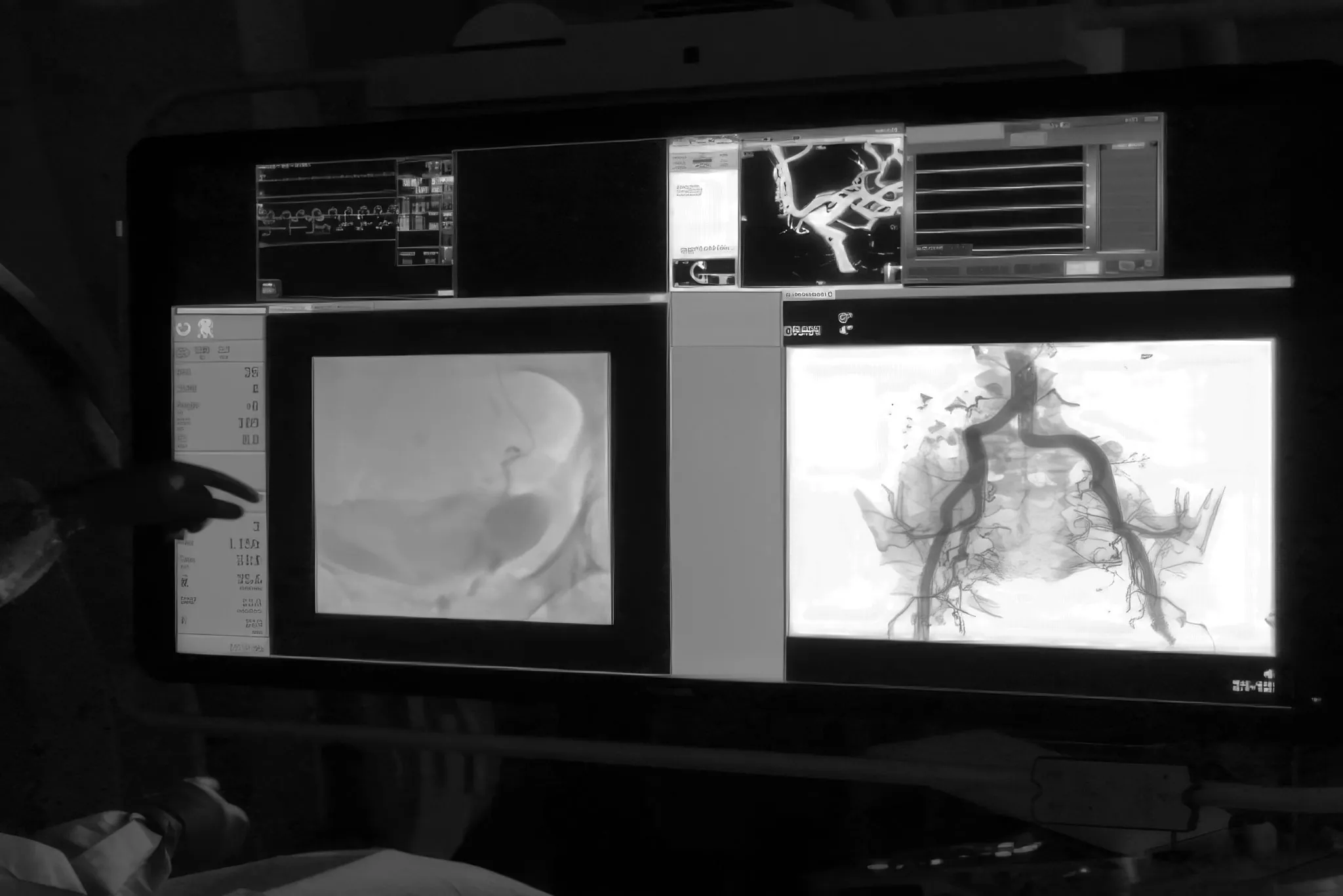
Biliary Obstruction
What is biliary obstruction?
The ducts that carry bile from the liver to the small intestine are blocked in biliary obstruction. Bile is created in the liver, kept in the gallbladder, and then released through the bile ducts into the small intestine.
To aid with fat digestion, bile is released. A blockage in the biliary ductal system will obstruct bile transport and result in discomfort after a meal because fatty acids in the stomach induce the gallbladder to constrict and release stored bile. The liver continuously produces bile. Bilirubin, a bile component, rises in the urine and blood when bile cannot drain and accumulates in the liver.
Risk Factors
Gallstones, which are crystallized cholesterol concretions that often form in the gallbladder, are the most frequent cause of biliary obstruction. Cholelithiasis (gallstones) risk factors include
- Females more than males
- Increasing age
- Family history
- Native American or Mexican American descent
- High cholesterol
- Obesity
- Rapid weight loss
- Pregnancy
- Increased estrogen
- Diabetes
- Total parenteral nutrition
- Cirrhosis (liver scarring)
- Severe hemolytic anemia
Another non-gallstone causes of biliary blockage include:
- Bile duct cancer
- Liver cancer
- Pancreatic cancer
- Metastatic cancer
- Pancreatitis
- Injury in the abdomen, including from surgery
Symptoms
- Abdominal pain in the right upper quadrant, especially after a meal or when pressure is applied to the area
- Nausea and vomiting
- Fever
- Dark urine
- Jaundice (yellowing skin)
- Pale stools
- Pruritus (itchy skin)
Diagnosis
Along with a history and physical assessment, the following tests are frequently carried out:
- Abdominal ultrasound
- Abdominal CT scan
- Endoscopic retrograde cholangiopancreatography (ERCP), which uses a camera and x-ray dye to look at the bile ducts
- Blood and urine bilirubin levels
- Liver enzyme tests
Treatments
- Cholangiogram
- Biliary drainage
- Biliary stenting
Written and medically reviewed by: Dr. Ilyas Hasanov, PhD, MD, interventional radiologist
Medical disclaimer: The information on this page is for general education and does not replace a medical examination, diagnosis or treatment. Only a doctor can decide which treatment is right for you, after an examination.