


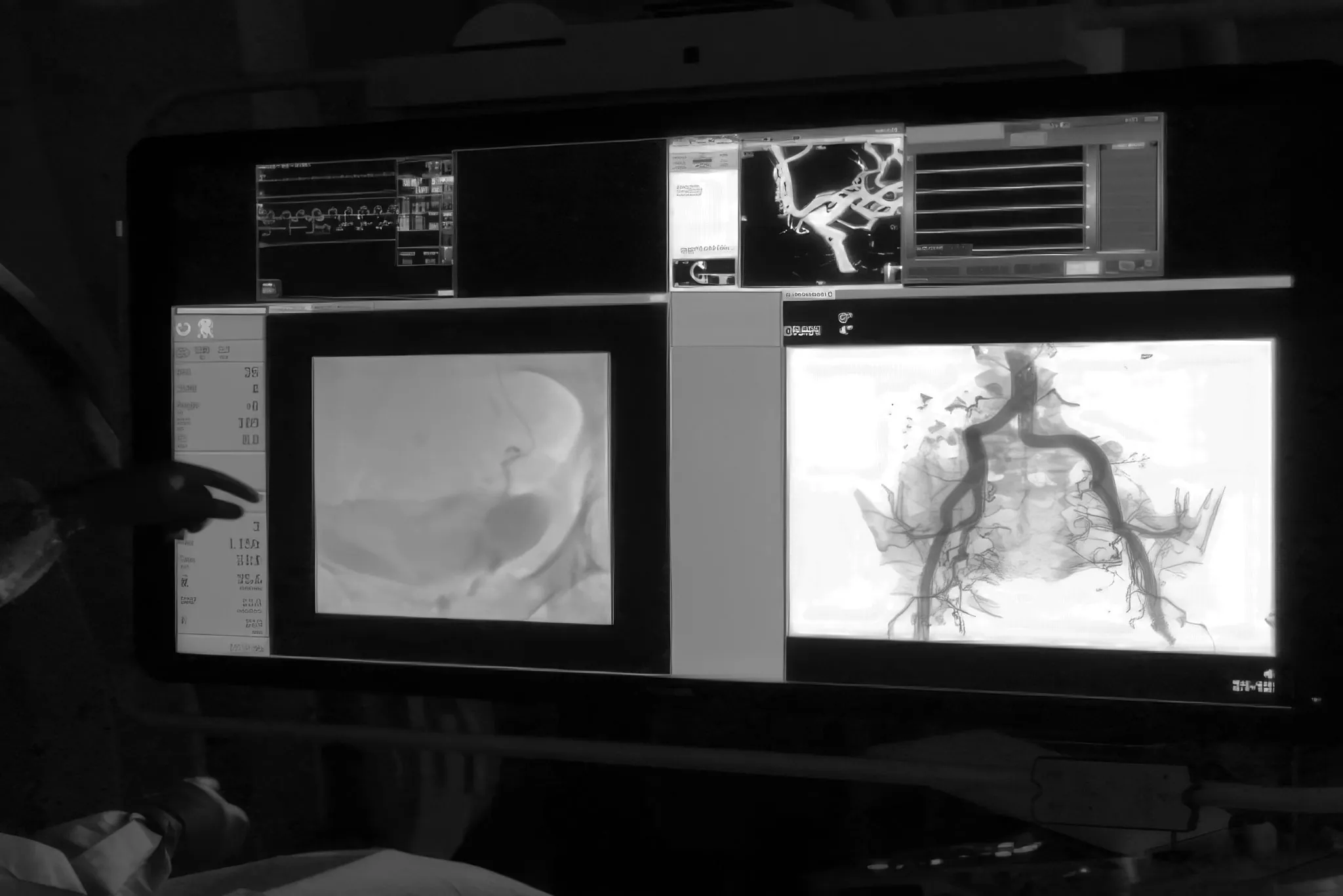
Liver Cancer (Metastatic)
What is metastatic liver cancer?
When cancer spreads to the liver from another organ in the body, it is referred to as metastatic liver cancer. Compared to primary liver cancer (see hepatocellular carcinoma), this is not the case. Skin, breast, lung, kidney, bladder, ovarian, pancreas, stomach, colorectal, uterine, prostate, and thyroid cancers can all move to the liver via the lymphatic system or blood. A cancer that has been treated can occasionally recur many years after treatment because certain cancers exhibit tiny lymphatic system dissemination that can go undetected for years.
Risk Factors
Although many original malignancies can spread to the liver, colorectal, pancreatic, and stomach cancers are the most common types of metastatic liver cancer because they directly supply the liver with blood.
Symptoms
There might or might not be symptoms at first from the metastatic liver cancer. If symptoms do materialize, they may include the following:
- Abdominal pain in upper-right area
- Jaundice, or yellowing of skin and eyes
- Weight loss
- Ascites
- Confusion
- Fevers
Diagnosis
A doctor may use the following methods to look for metastatic liver cancer when primary cancer is present:
- Ultrasound
- CT scan
- Liver function tests
- Liver biopsy
Treatments
- Chemoembolization
- Radioembolization (Y-90)
- Tumor ablation
Written and medically reviewed by: Dr. Ilyas Hasanov, PhD, MD, interventional radiologist
Medical disclaimer: The information on this page is for general education and does not replace a medical examination, diagnosis or treatment. Only a doctor can decide which treatment is right for you, after an examination.