


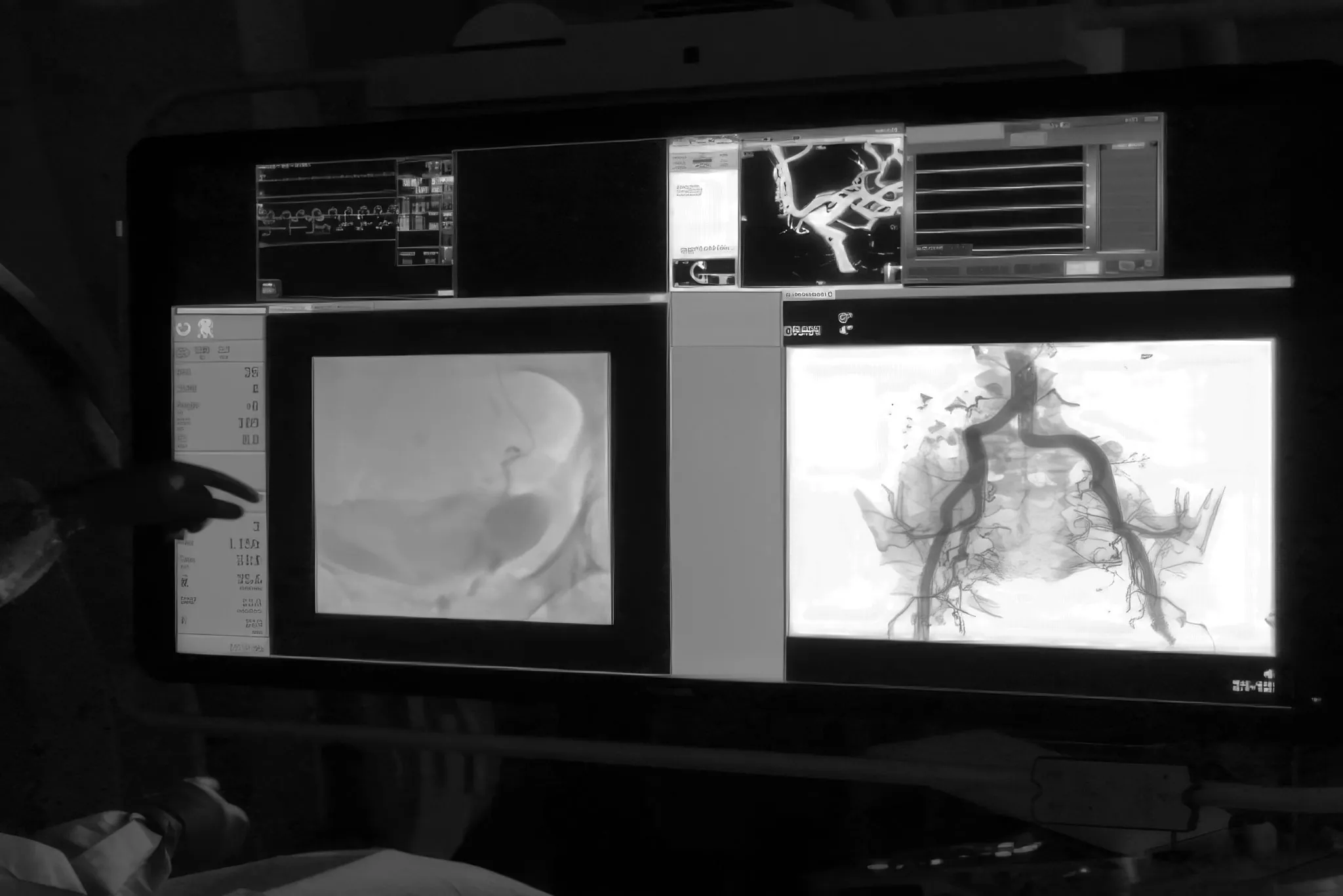
Portal Hypertension
What is portal hypertension?
Increased blood pressure in the portal venous system, a network of veins that drains the abdominal organs into the portal vein, which ultimately drains into the liver, is known as portal hypertension. Blood can back up into other abdominal organs, including the spleen, esophagus, and rectum, leading to bleeding in cases of portal hypertension.
Anything that restricts blood flow through the portal vein, the hepatic veins that drain the liver, or even through the liver itself might result in portal hypertension. As a result, pressure in the portal system rises. For instance, liver illness, right heart failure, and portal vein clots are all disorders that can result in portal hypertension. The chronic liver scarring known as cirrhosis is the most frequent cause of portal hypertension.
Risk Factors
Risk factors for portal hypertension include
- Cirrhosis (liver scarring), which can be caused by:
- History of alcohol use
- Hepatitis B or C infection
- Long term inflammation of the liver
- Hemochromatosis, or iron overload
- Congestive heart failure
- Arteriovenous malformations (AVMs)
- Hypercoagulable states
Symptoms
There may be a delay in the onset of symptoms of portal hypertension before it results in consequences like:
- Ascites (fluid in the abdomen)
- Hepatic encephalopathy (confusion)
- Variceal bleeding
- Vomiting of blood
- Bloody or black stools
- Splenomegaly, or an enlarged spleen
- May have decreased platelets and left abdominal pain or fullness as a result
Because cirrhosis is a prevalent cause of portal hypertension, liver failure symptoms can also be an indicator of portal hypertension:
- Jaundice, or yellowing of the skin
- Easy bruising or bleeding
- Weakness
- Weight loss
- Abdominal pain
Diagnosis
Like systemic hypertension, portal hypertension cannot be detected with a blood pressure cuff, hence it is frequently not recognized until it manifests symptoms. The following can help to confirm the diagnosis:
- Endoscopy, which uses a camera in the gastrointestinal tract to look for variceal bleeding
- Ultrasound of the abdomen
- Hepatic venous pressure gradient (HVPG), a measurement of portal system pressure
- CT or MRI
To help identify causes and connected conditions, other tests may also be carried out, including
- Platelet levels
- Liver function tests
- Liver biopsy
- Angiography
Treatments
- TIPS
- BRTO or PARTO
Written and medically reviewed by: Dr. Ilyas Hasanov, PhD, MD, interventional radiologist
Medical disclaimer: The information on this page is for general education and does not replace a medical examination, diagnosis or treatment. Only a doctor can decide which treatment is right for you, after an examination.