


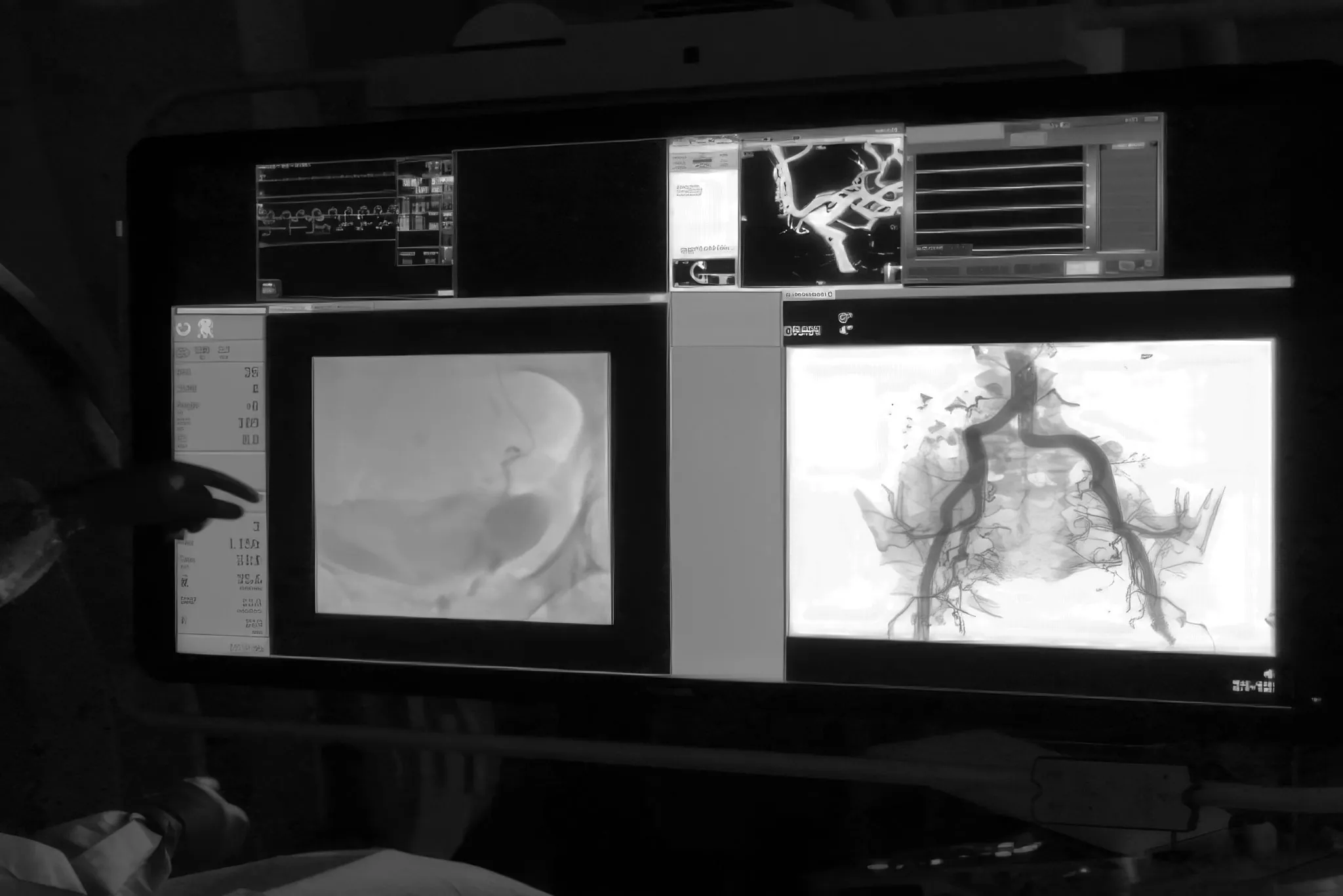
Biliary Leak
What is a biliary leak?
Bile seeps from any of the ducts that carry bile to the small intestine to cause a biliary leak. To aid in the breakdown of lipids, the liver produces and secretes bile. The common hepatic, cystic, and common bile ducts transport bile from the liver to the gallbladder for storage and then from there to the small intestine for elimination. The skin around the bile ducts becomes uncomfortably irritated and is susceptible to infection when bile spills out of them.
Risk Factors
- Gallbladder surgery
- Liver operations
- Injury to the bile ducts
Symptoms
- Abdominal pain in the right upper quadrant
- Nausea and vomiting
- Jaundice (yellowing skin)
- Fever
Diagnosis
In addition to a history and physical examination, some of the following tests will be performed:
- Abdominal ultrasound
- Abdominal CT scan
- Cholescintigraphy, which involves injecting a radioactive tracer into a vein and following its path through the bile ducts to the gallbladder and small intestine
- Blood and urine bilirubin levels
- Liver enzyme tests
Treatments
- Biliary drain placement
- Biliary drainage
- Biliary stenting
- Cholangiogram
Written and medically reviewed by: Dr. Ilyas Hasanov, PhD, MD, interventional radiologist
Medical disclaimer: The information on this page is for general education and does not replace a medical examination, diagnosis or treatment. Only a doctor can decide which treatment is right for you, after an examination.